
how to transform your interior with art and creativity
Decorative Painting
Do you dream of an interior that tells your story? Of a space with soul, rather than a copy of a catalog arrangement? Your walls are much more than partitions – they are canvases waiting for an artist. That artist can be you. Decorative painting is the remarkable art of transforming a space and giving it a unique, personal character.
Whether you have experience with art or are holding a brush for the first time, the world of decorative painting is open to you. It is a technique that celebrates creativity and lets you express yourself, turning ordinary walls into works of art. In this comprehensive guide we take you through the most popular techniques, the most interesting styles and practical tips that will help you discover the potential of your home. Time to start the adventure!
The most popular decorative painting techniques – what to choose for your interior?
Choosing the right technique is the key to success. Each one creates a different visual effect and suits different interior styles. Feeling lost among all the options? Don’t worry – we have prepared an overview of the most interesting solutions to help you make the best decision. Treat your wall like an artist’s canvas – and here is your palette of possibilities.
Stencil painting – precision and repeatable patterns
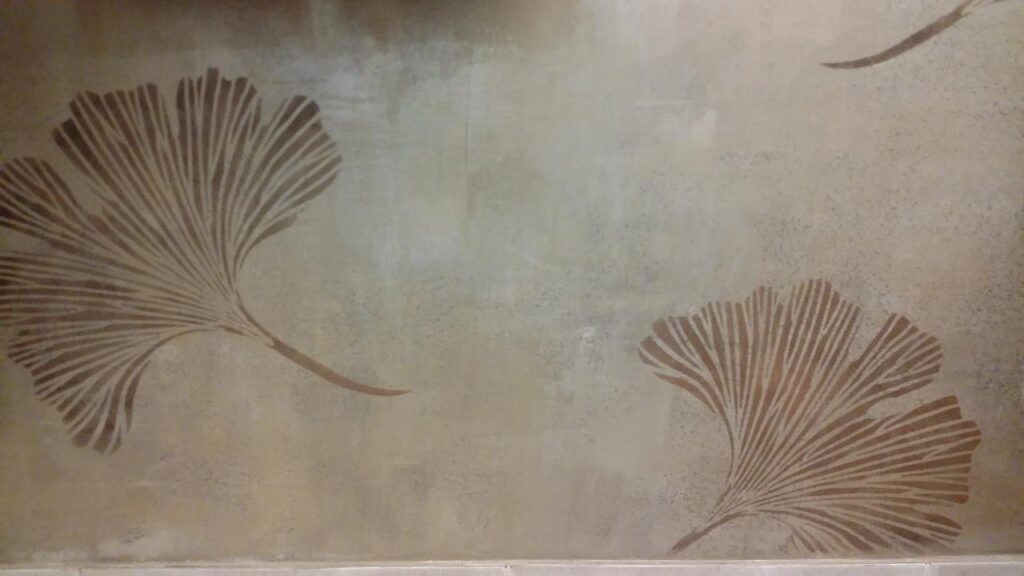
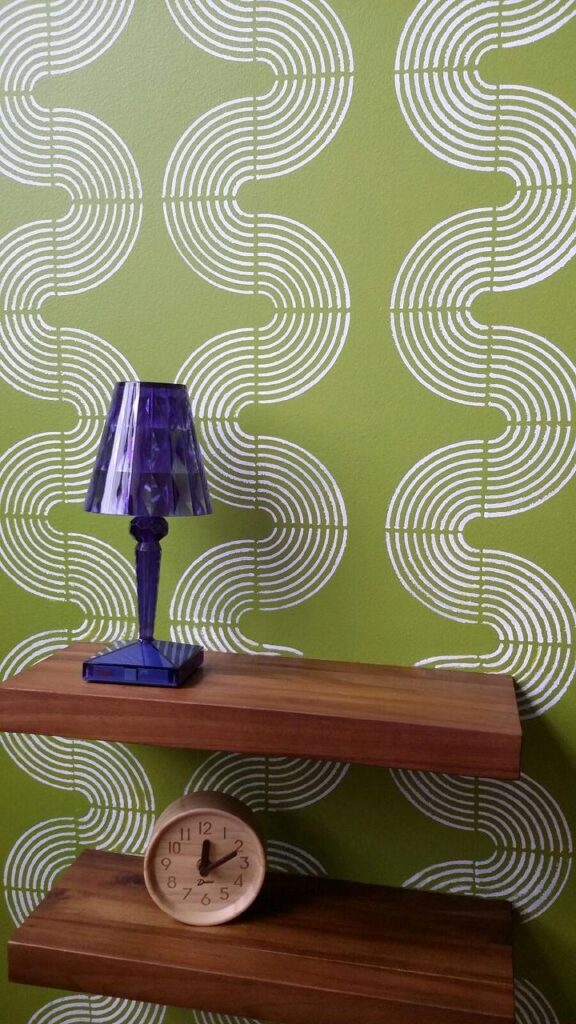
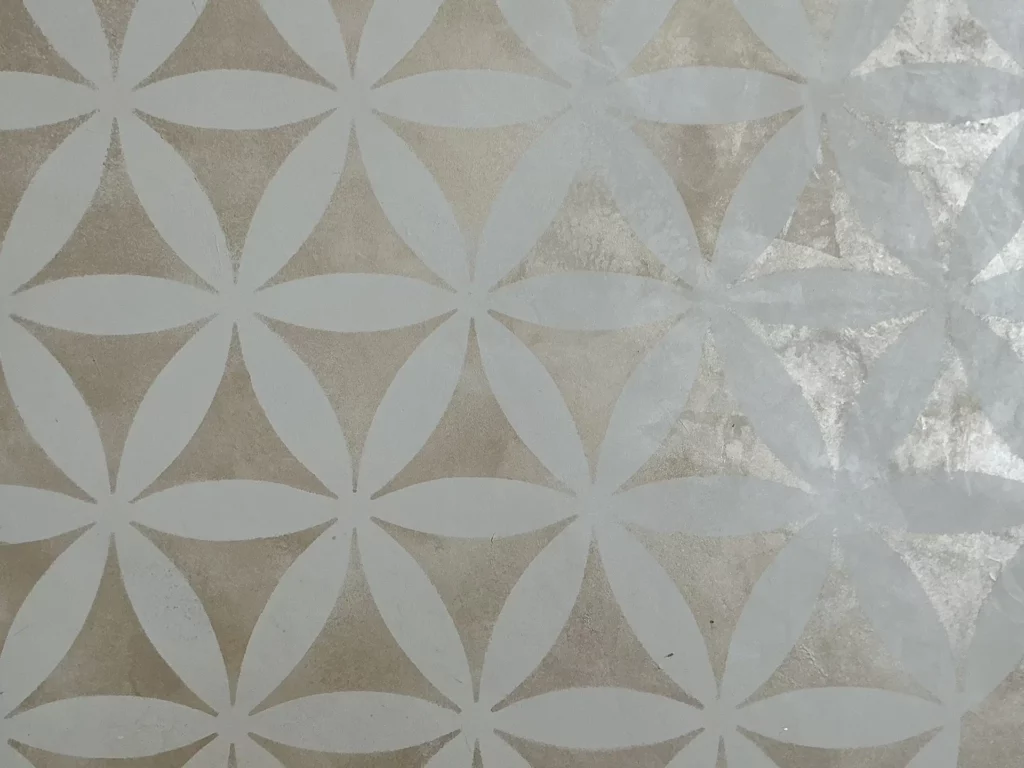
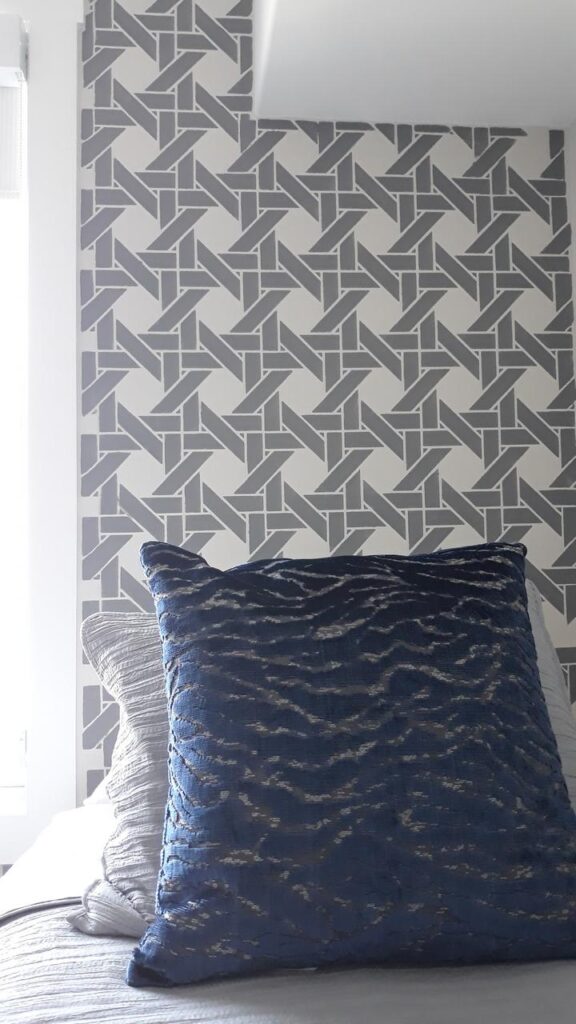
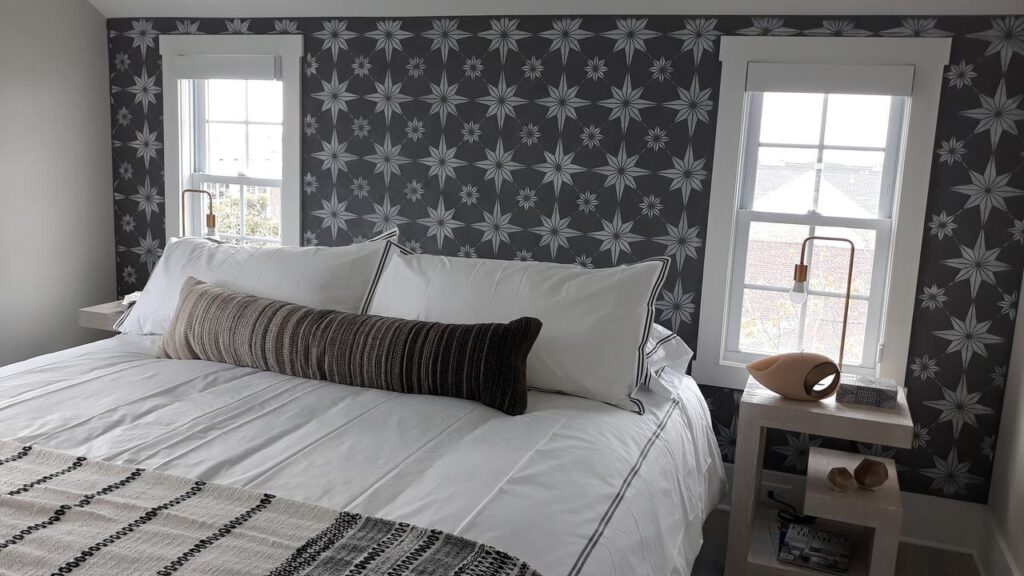
One of the most accessible and striking techniques, ideal for people who appreciate order and regular motifs. Stencils let you reproduce even complex patterns precisely – from geometric shapes and botanical motifs to Moroccan quatrefoils.
- Ideal for: Creating regular patterns across an entire wall (a wallpaper effect), decorative bands (wainscoting), or accenting parts of a wall (e.g. around a mirror or a headboard).
- Difficulty level: Low. The key is to fix the stencil carefully and apply only a small amount of paint.
- Our tip: Use a stippling brush or a small foam roller to prevent paint from bleeding under the stencil.
Rag rolling and distressing – the charm of bygone years
A technique that gives walls a look marked by the passage of time. The aged effect, with subtle, overlapping layers of color, brings warmth, nostalgia and a cozy, rustic feel to an interior.
- Ideal for: Rustic, Provencal, vintage and shabby chic interiors. It pairs beautifully with wooden furniture and natural accessories.
- Difficulty level: Medium. It takes some practice in handling colors and tools (such as a sponge, a rag or a special trowel).
- Our tip: Apply two coats of paint in contrasting colors. Once the top coat is dry, lightly sand it in selected places to reveal the color underneath.
Artistic mural – your wall as a unique work of art
A mural is the most personal form of decorative painting. It can depict literally anything – from a landscape or an abstract composition to your child’s favorite motifs. It turns a wall into the focal point of the whole interior.
- Ideal for: Living rooms, bedrooms and children’s rooms. A mural becomes the signature of the home and an expression of the passions of the people who live there.
- Difficulty level: High. It usually requires artistic skills or hiring a professional artist, although simple geometric murals can be painted yourself with the help of painter’s tape.
- Our tip: Before you start painting on the wall, prepare a smaller-scale design on paper. You can also use a projector to transfer the outline of the design onto the wall.
“Choosing a decorative painting technique is a dialogue between the style of the interior and the personality of the person living in it. Don’t be afraid to experiment! Sometimes it is a bold combination of textures and colors that creates the most spectacular effect.” – Gosia Oberc, interior designer and owner of ArtSpot Studio
Styles and inspirations in decorative painting – from classic to modern
If techniques are the tools, styles are the artistic vision. Decorative painting is like jewelry for an interior – well chosen, it can completely change its character and give it a touch of luxury or an easygoing lightness. Looking for an idea? Here is an overview of the most interesting styles that may inspire you to create something special.
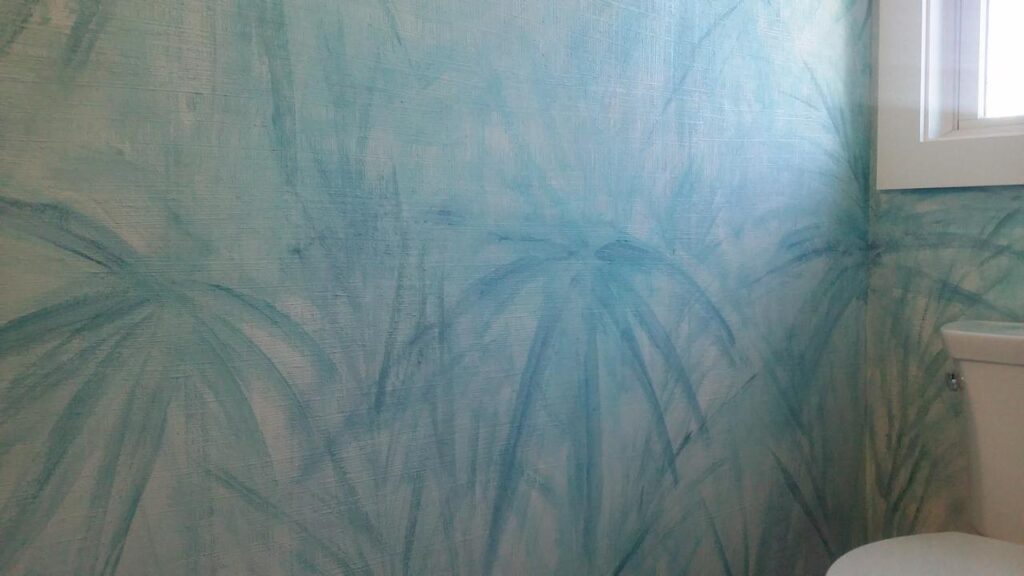
Botanical and floral motifs – an indoor jungle on your wall
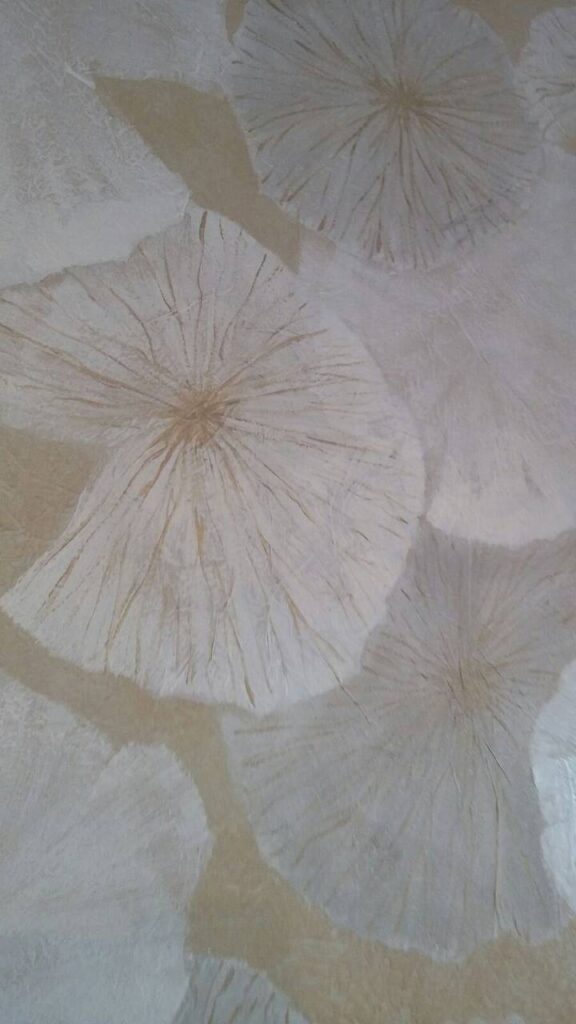
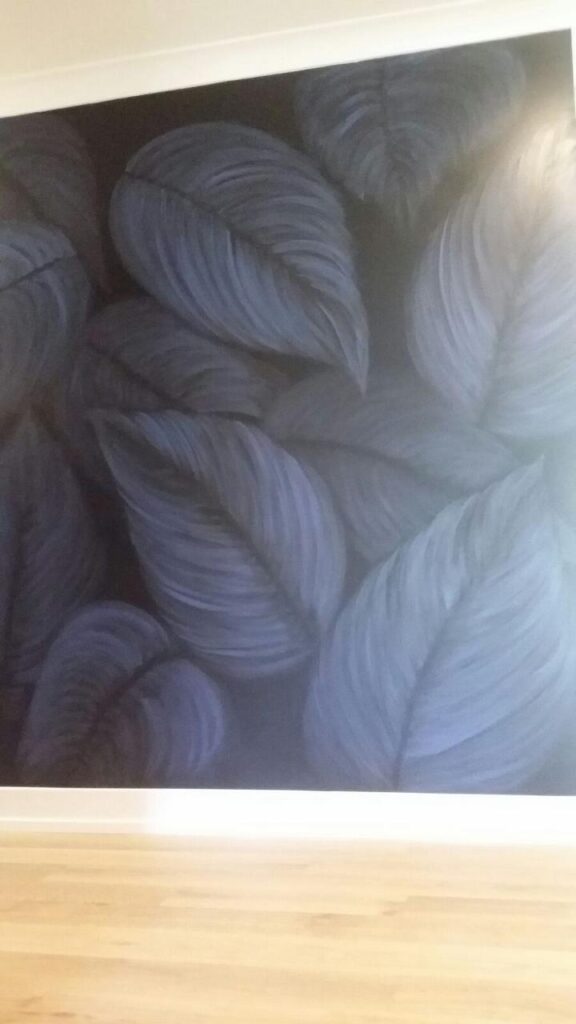
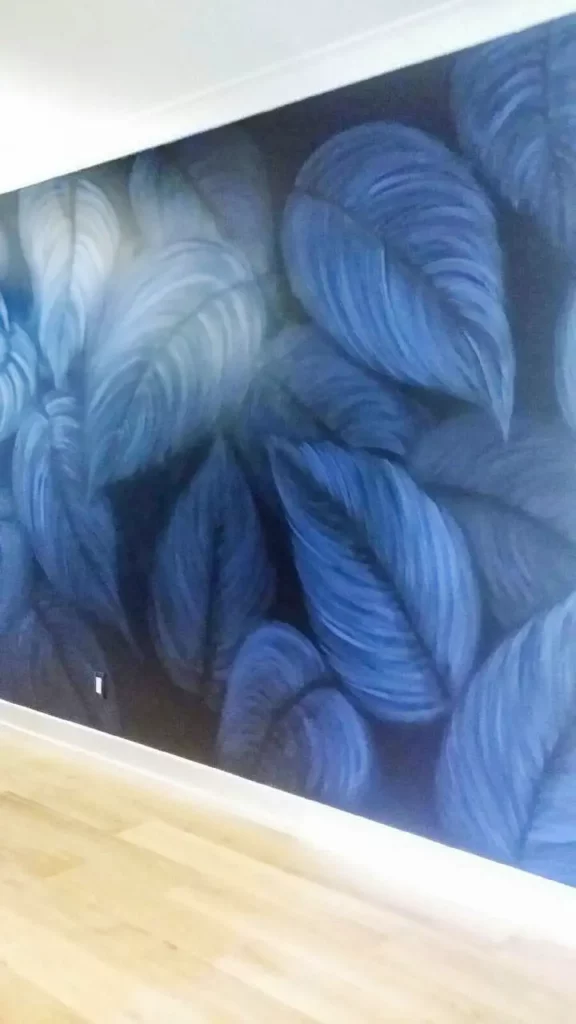
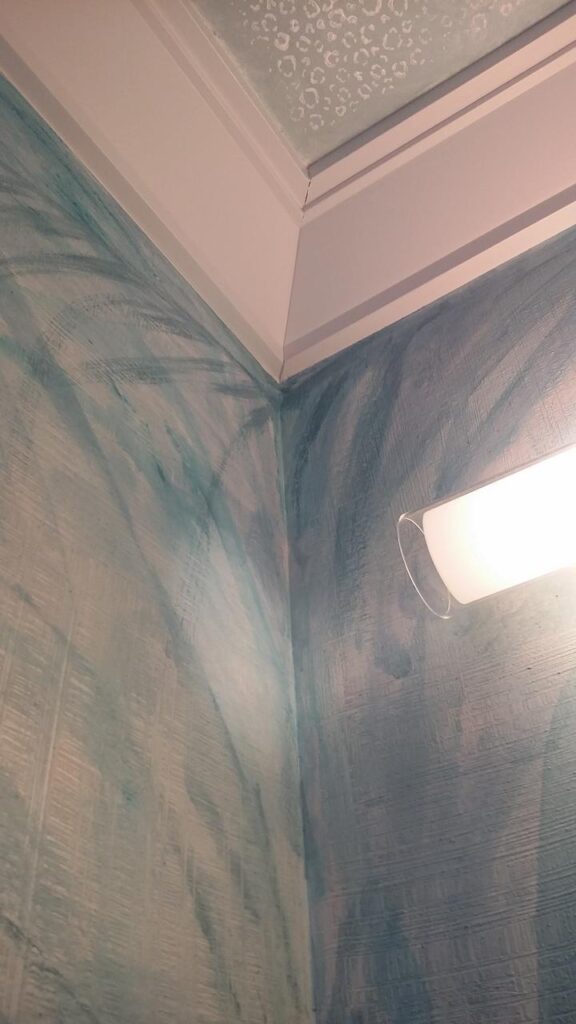
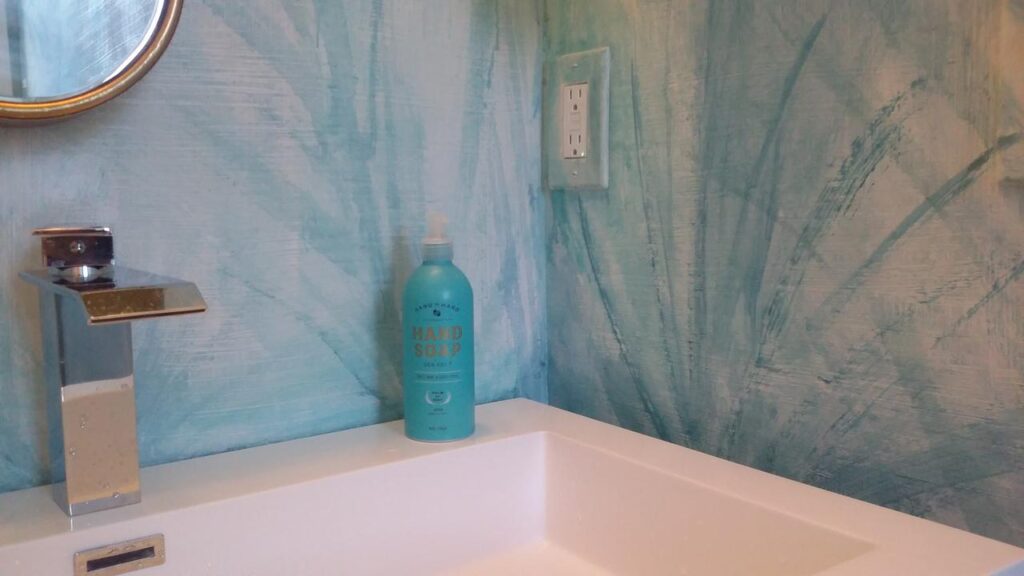
One of the strongest trends of recent years. Delicate monstera leaves, exotic palms, wildflowers or subtle eucalyptus branches bring calm, harmony and a breath of nature into an interior.
- Characteristics: Organic shapes and a dominance of greens, beiges and pastels. Patterns can be realistic or simplified and graphic.
- Suits these styles: Scandinavian, boho, modern, eclectic.
- Project idea: Create a single accent wall behind the sofa in the living room or behind the bed in the bedroom.
Abstraction and geometry – modern expression
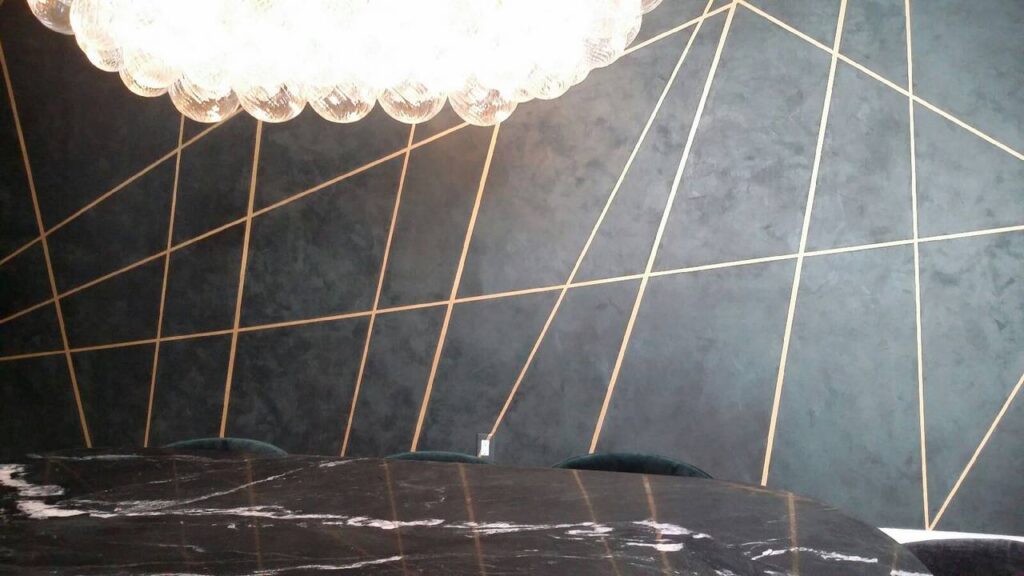
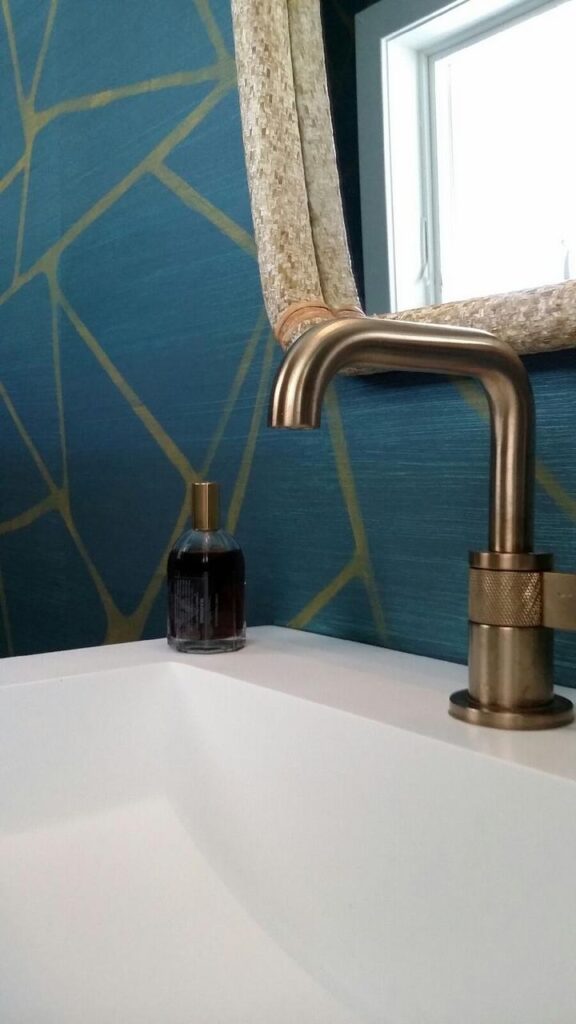
The ideal solution for lovers of minimalism and modern design. Irregular patches of color, dynamic lines, gold arches or compositions based on simple geometric shapes add energy and artistic character to an interior.
- Characteristics: Bold color combinations, simple forms, asymmetry. Techniques such as color blocking with painter’s tape are often used.
- Suits these styles: Modern, minimalist, loft, art deco.
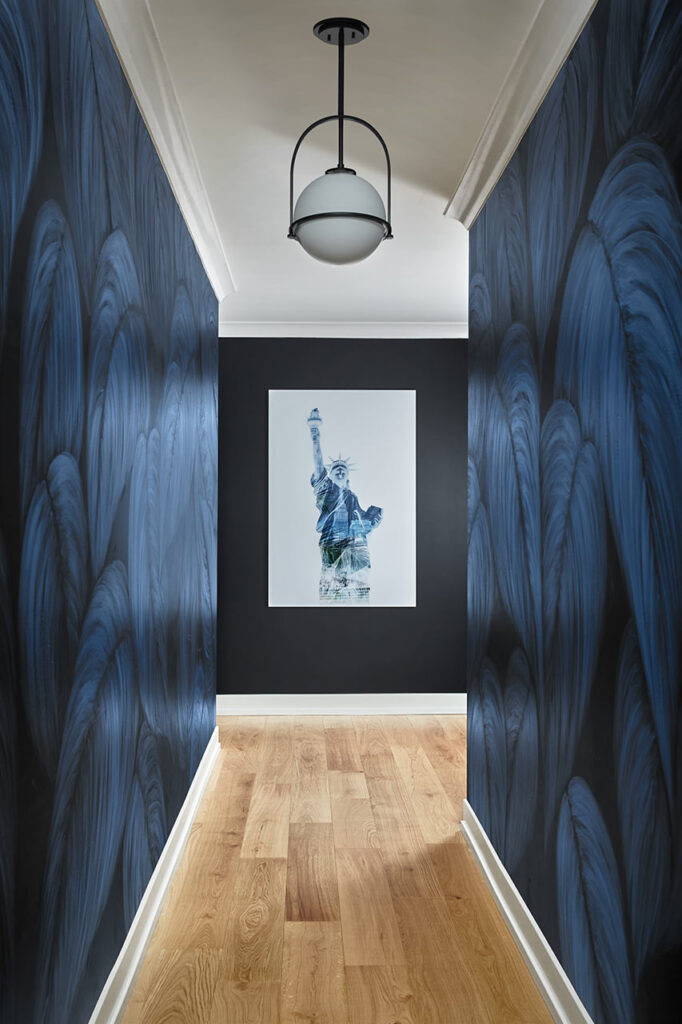
- Project idea: A geometric mural in the hallway that visually enlarges the space, or an abstract color composition in a home office that sparks creativity.
Classic ornaments and faux moldings – timeless elegance
Inspiration drawn from past eras that brings a note of luxury and sophistication to an interior. Delicate damask patterns, subtle arabesques or trompe-l’œil paintings imitating plaster moldings are a way to create a palatial atmosphere.
- Characteristics: Symmetry, intricate repeating patterns and a muted palette (beiges, grays, gold, silver).
- Suits these styles: Classic, glamour, New York, Hamptons.
- Project idea: A subtle stenciled ornament on a dining room or living room wall.
Expert recommendation
“Don’t be afraid to mix styles. A classic ornament painted in a modern, metallic color can create an absolutely stunning and unique effect. Decorative painting is a playground for creative play with convention.”
Materials and tools – what do you need for decorative painting?
The thought of starting a painting project can seem overwhelming – the shopping list, the costs, choosing the right products. The truth is that you don’t have to spend a fortune to get started. The key is good preparation. Here is your shopping list to clear up any doubts.
Your shopping list – from A to Z
1. The basics: wall preparation
- Drop cloths and tape: To protect floors and furniture.
- Spackle: To fill any holes and cracks.
- Sandpaper: To smooth the patched areas.
- Primer: Essential for evening out the wall’s absorbency and improving the adhesion of the decorative paint.
2. The heart of the project: paints
- Acrylic paints: The most versatile, quick-drying and available in a huge range of colors. Ideal for most projects.
- Latex paints: Very scrub-resistant and great as a base color under patterns.
- Special-effect decorative paints: There are paints that create the effect of concrete, rust, metal (gold, copper), velvet or sand. It is worth asking about them in specialist stores.
3. The artist’s tools: brushes and other accessories
- A set of brushes: Different sizes – from large, flat brushes for the background to small, precise ones for details.
- Paint rollers: A large one for the background and a small one for precise work and stencils.
- Paint tray: Makes it easier to load paint onto the roller.
- Tools for specific techniques:
- Stencils: Ready-made or cut your own.
- Sponges (natural or synthetic): For creating a textured effect.
- Rags and crumpled plastic sheeting: For rag rolling and creating irregular patterns.
- Level and pencil: For marking straight lines and planning the composition.
Feeling inspired, but not sure where to start?
The world of decorative painting is fascinating, but it can also seem complicated. So many techniques, styles, colors… How do you choose the best solution for your home?
You don’t have to decide alone! We are happy to help you at every stage. Book a no-obligation, free consultation.
- I will listen to your ideas and needs.
- I will advise you on which technique and style will work best in your interior.
- I will show you our portfolio and material samples.
Turn doubt into confidence and create the interior of your dreams with us.